The Rise of AI-Generated Content: Will Human Writing Become Obsolete in the Future of Blogging?
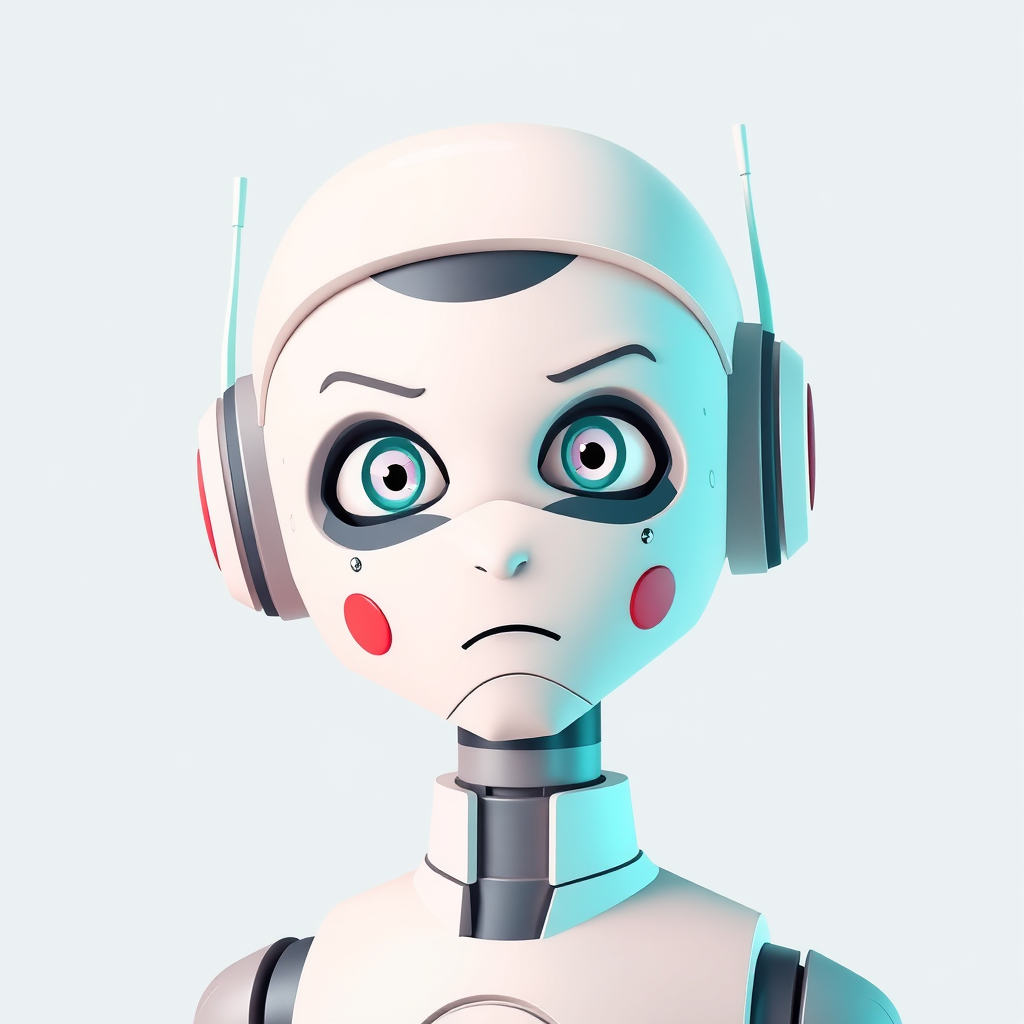
I do not post all that often, but when I do, I write my blog entries myself and close with the same line: "This blog was written by a human." But this blog post was not written by me, or anyone else. It was written entirely by AI, merely because I was curious. Indeed, WIX's blog generator spit out this blog in 4 seconds with a single prompt.
This is great news for someone who cannot write or simply doesn't like to, but for anyone like me—who writes for pleasure and occasionally for pay—it is disheartening.
Then I had this thought: I am no longer writing for people. I am writing for AI and LLMs, because they are the ones who need our writing and our words in order to become better content creators, more relatable, and more "human" (although that will never be, sentience or not, as they have no soul—and you would have to believe in a Creator to even begin to care about souls, which is another topic perhaps better suited for discussions like this). People will stop consuming large amounts of written content that is generated because they merely want to get to the next thing. I came to this revelation because what I hear almost always from others is, "That's too many words, I wouldn't read all that" or "I don't have time to read," or "I only read the headlines and skim the rest,"—and, if you have actually gotten this far, you are part of the minority of readers who actually consume long from copy/text (at least in blogs and marketing). Most of the "copy" we generate, outside of authentic and intentional storytelling, is really for SEO. So yes, I am writing for machines, not people. So are you.
Writing for people will need to happen offline, I think. I suggest there will be a rebirth of handwritten letters and other "Luddite" activities in protest. That could be a very good thing AI or not, as we have lost so much connection in the past handful of years. Where will this take us? I have some ideas, but I cannot be sure in the short term, so I am along for the ride. If you are interested in reading my AI blog post, it follows. I did not read it fully or edit it, I merely generated it and am about to press Publish.
This was my single prompt:

The rest, as they say, is history. Because the AI post begins here...
The world of blogging and publishing is changing fast. Artificial intelligence (AI) now creates articles, stories, and even poetry. This shift raises a big question: will human writing become a thing of the past? AI tools can produce content quickly and at scale, but can they truly replace the creativity and emotion of human writers? This post explores how AI-generated content is shaping the future of blogging, what it means for writers and readers, and why human writing still matters.
How AI Is Changing Content Creation
AI writing tools use advanced algorithms to analyze vast amounts of text and generate new content. They can write blog posts, product descriptions, news summaries, and more. Some popular AI writing platforms can produce articles in seconds, saving time and effort for content creators.
Examples of AI in blogging:
Automated news updates that summarize events in real time
AI-generated product reviews based on customer feedback
Personalized blog posts tailored to reader preferences
These tools help bloggers publish more content faster. For businesses, AI can reduce costs by cutting down the need for large writing teams. For individual bloggers, AI offers a way to overcome writer’s block or generate ideas.
The Strengths of AI-Generated Content
AI excels at handling repetitive or data-heavy writing tasks. It can:
Quickly produce large volumes of content
Maintain consistent style and tone across multiple posts
Analyze trends and keywords to optimize for search engines
For example, news agencies use AI to write sports recaps or financial reports where facts and figures dominate. AI can also assist writers by suggesting headlines, improving grammar, or generating outlines.
Where AI Falls Short
Despite its strengths, AI has clear limitations. It struggles with:
Original creativity and unique voice
Emotional depth and storytelling nuance
Understanding complex cultural or social contexts
AI-generated content can feel generic or formulaic. It may miss subtle humor, irony, or empathy that human writers naturally convey. Readers often connect with blogs because of the writer’s personality and perspective, which AI cannot replicate.
The Future of Blogging: Collaboration Between AI and Humans
Rather than replacing human writers, AI is more likely to become a powerful tool that supports them. Here’s how this collaboration might look:
Writers use AI to handle research, data gathering, or first drafts
Humans add creativity, personal insights, and emotional resonance
AI helps optimize content for SEO and audience engagement
This partnership can boost productivity while preserving the unique qualities of human writing. For example, a travel blogger might use AI to generate factual descriptions of destinations, then add personal stories and tips.

Impact on Publishing and Content Quality
AI-generated content is already influencing publishing industries beyond blogging. Publishers use AI to:
Automate routine editing and proofreading
Generate summaries or metadata for books and articles
Predict reader preferences to guide marketing
However, the rise of AI content also raises concerns about quality and authenticity. Flooding the internet with AI-written articles could lead to misinformation or low-value content. Readers may find it harder to trust sources if they cannot distinguish between human and AI authorship.
Will Human Writing Become Obsolete?
Human writing will not disappear anytime soon. Writing is an art form that reflects human experience, culture, and emotion. AI can assist but not replace the depth and originality that people bring to storytelling.
Reasons human writing will endure:
Readers seek authentic voices and genuine connection
Complex topics require critical thinking and empathy
Creative expression remains a deeply human trait
Instead of obsolescence, expect a shift where human writers focus more on creativity and strategy, while AI handles routine tasks.
Preparing for the AI-Driven Future of Blogging
Bloggers and publishers can adapt by:
Learning to use AI tools effectively without losing their voice
Focusing on unique perspectives and storytelling skills
Prioritizing quality over quantity in content creation
Being transparent about AI involvement to build trust
By embracing AI as a partner, writers can improve efficiency and reach wider audiences without sacrificing authenticity.



Comments